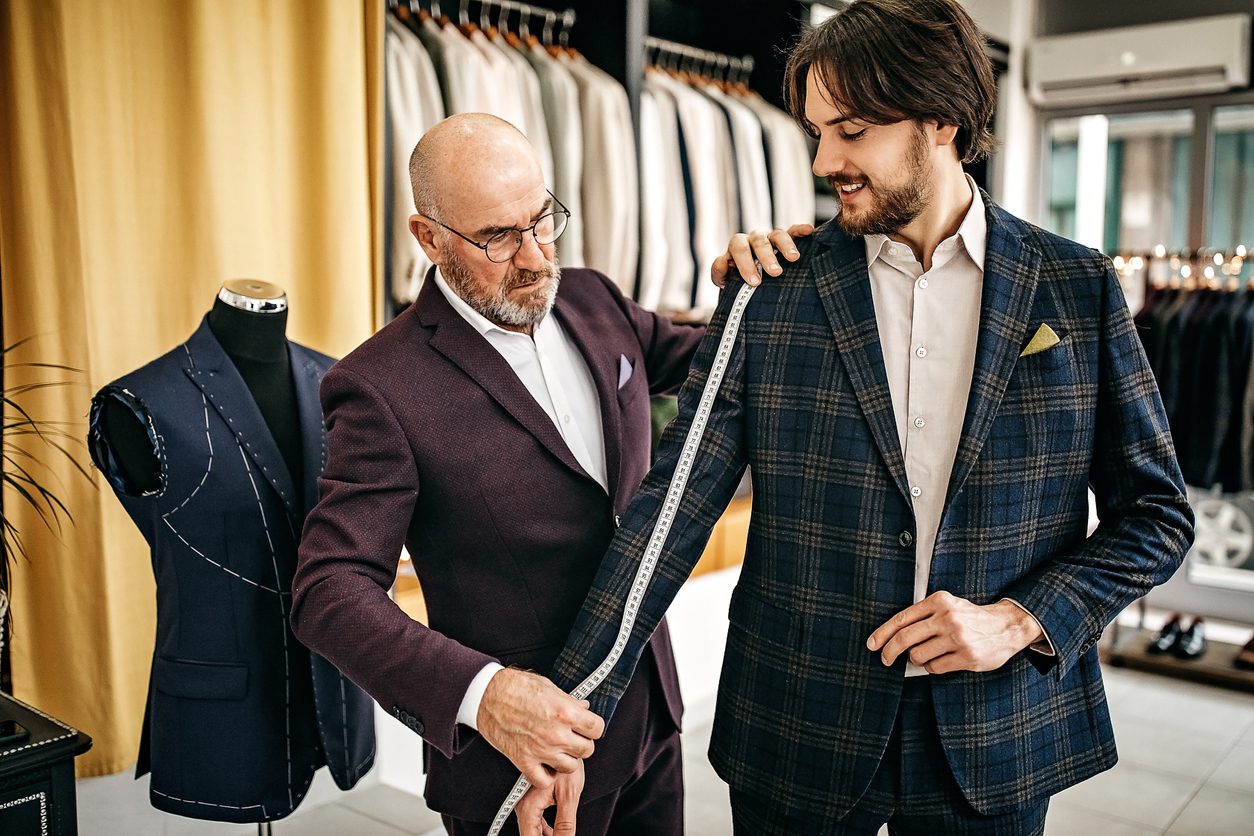
Custom clothing offers a unique opportunity for individuals and businesses to express their personal style, brand identity, and creativity. From tailored suits to personalized graphic tees, the world of custom apparel is vast and versatile. This article explores the benefits of custom clothing, the different types available, and how to get started on your custom apparel journey.
1. What is Custom Clothing?
**a. Definition
Custom clothing refers to garments made specifically to an individual’s or organization’s specifications. This can include alterations to fit, fabric choices, designs, and additional features that make the clothing unique.
**b. Purpose
Custom clothing serves various purposes, including personal expression, branding for businesses, gifts, and uniforms for teams or organizations.
2. Benefits of Custom Clothing
**a. Personalized Fit and Comfort
One of the main advantages of custom clothing is the ability to achieve a perfect fit. Tailored garments are designed to flatter individual body shapes and sizes, enhancing comfort and appearance.
**b. Unique Style
Custom clothing allows individuals to create unique pieces that reflect their personal style. Whether it’s a distinctive design, color, or fabric, custom apparel stands out from mass-produced options.
**c. Branding Opportunities
For businesses, custom clothing is an effective way to promote brand identity. Custom uniforms, promotional apparel, and branded merchandise can help create a cohesive brand image and foster recognition.
3. Types of Custom Clothing
**a. Tailored Apparel
This includes suits, dresses, and other formal wear that are tailored to the individual’s measurements. Tailored clothing ensures a polished and professional look.
**b. Graphic Tees and Casual Wear
Custom graphic tees allow individuals and organizations to express creativity through unique designs. This category can include team jerseys, event shirts, and casual wear with personalized graphics.
**c. Activewear and Athleisure
Custom activewear provides the opportunity to design personalized gym apparel, such as leggings, tank tops, and jackets, promoting both style and functionality.
**d. Accessories
Custom clothing isn’t limited to garments. Accessories like hats, bags, and scarves can also be personalized to complement outfits and enhance brand visibility.
4. How to Get Started with Custom Clothing
**a. Define Your Goals
Before diving into the customization process, determine your goals. Are you looking for personal clothing, promotional items for a business, or uniforms for a team? Knowing your objectives will guide your decisions.
**b. Choose a Provider
Research and select a reputable custom clothing provider. Look for reviews, portfolios, and examples of their work to ensure they align with your vision and quality expectations.
**c. Select Materials and Designs
Work with the provider to choose fabrics, colors, and designs that match your style and needs. Many providers offer design tools or templates to help visualize the final product.
**d. Fit and Sizing
For tailored garments, accurate measurements are crucial. Consult with the provider to ensure proper sizing and fit, which may involve fittings or sample garments.
5. Conclusion
Custom clothing is a powerful way to express individuality, promote brand identity, and enhance comfort through tailored fits. Whether for personal use, promotional purposes, or team uniforms, the options are endless. By understanding the benefits and following a clear process, you can create unique, high-quality apparel that truly reflects your style and needs.